Funding a Solar System Without Using Your Working Capital
Most businesses can finance solar panels through equipment finance options that spread the cost across multiple years with fixed monthly repayments. This approach preserves working capital while letting you access renewable energy sooner, often with tax deductions available on both interest and depreciation.
Solar equipment finance works much like asset finance for other business equipment. The solar system itself typically serves as collateral, which means lenders often approve applications without requiring additional security. You gain immediate access to energy cost savings while the system pays for itself over time through reduced electricity bills.
How Equipment Finance Applies to Solar Installations
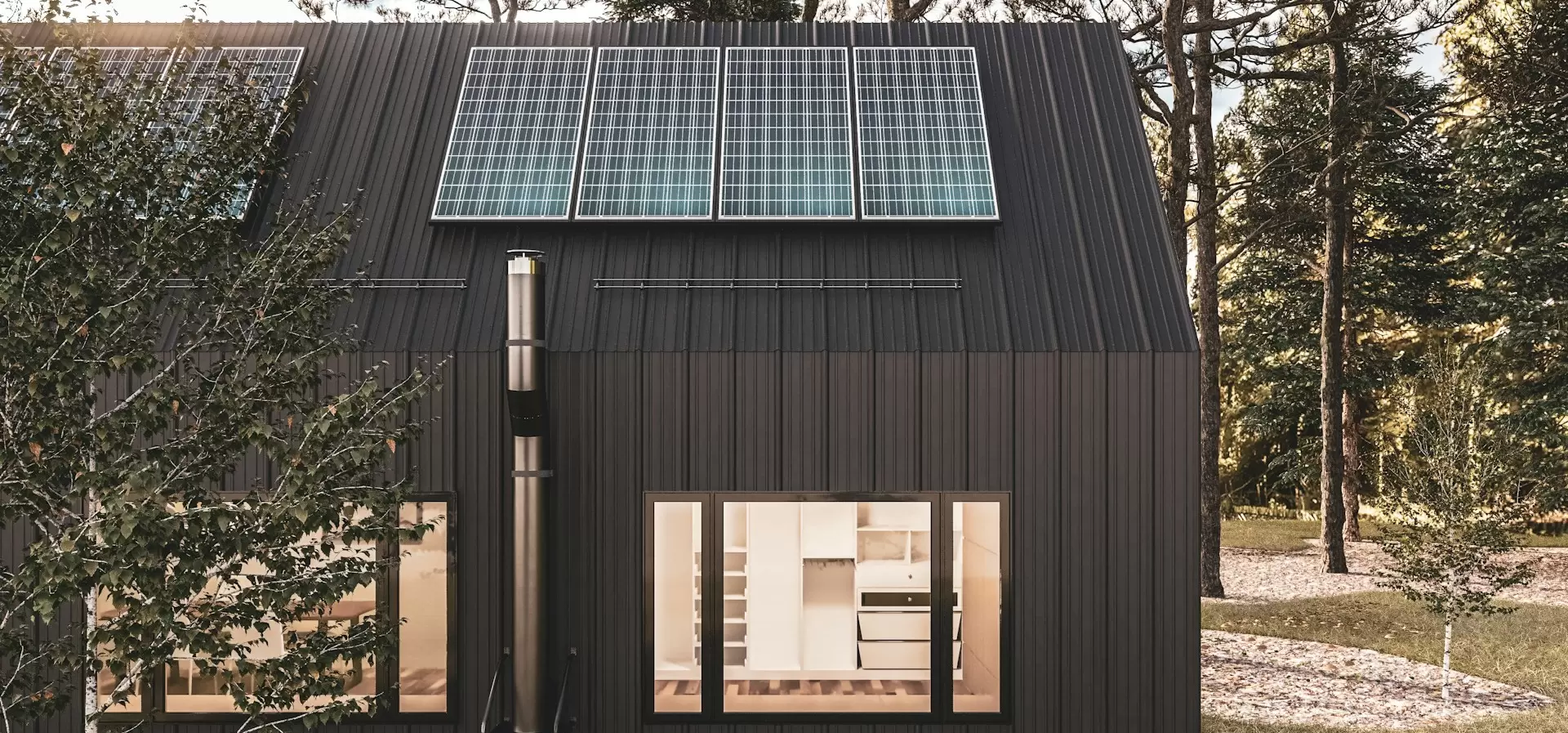
Equipment finance for solar panels allows businesses to acquire and install a system by borrowing the full purchase amount and repaying it over an agreed term. The solar panels, inverters, and installation become the financed equipment, similar to how you might fund machinery or vehicles.
Two main structures apply. A chattel mortgage lets you own the solar system from day one while making regular repayments, with the lender holding a charge over the equipment until the loan is fully repaid. Under a hire purchase arrangement, the lender owns the equipment during the repayment period, and ownership transfers to you after the final payment.
Consider a manufacturing business installing a 100kW commercial solar system. Rather than spending $80,000 from cash reserves, they arrange equipment finance over five years. The business owns the system immediately under a chattel mortgage, claims depreciation and interest as tax deductions, and reduces its monthly electricity bill by approximately $2,000 while making loan repayments of around $1,500 per month.
Ready to get started?
Book a chat with a Finance & Mortgage Broker at Zaid Finance Co today.
Tax Benefits Built Into Solar Equipment Finance
Both interest charges and depreciation on solar equipment can be tax deductible for businesses. Under a chattel mortgage, you claim the interest portion of each repayment as a business expense, while also depreciating the solar system's value over its effective life.
Instant asset write-off provisions may apply depending on your business size and the system's cost, allowing you to claim the full amount in the year of installation rather than depreciating it gradually. These provisions change periodically, so check current thresholds with your accountant before committing to a purchase.
The combination of reduced energy costs and tax deductions often means the effective cost of repayments sits well below the nominal loan amount. A business paying tax at 25% effectively reduces a $1,500 monthly repayment to around $1,125 after tax benefits, assuming both interest and depreciation apply.
Structuring Repayments to Match Energy Savings
Loan terms for solar equipment typically range from three to seven years, with longer terms reducing monthly repayments but increasing total interest paid. The ideal term often aligns with how quickly the energy savings cover the repayment amount.
A warehouse with high daytime electricity usage might generate $30,000 in annual energy savings from a solar system costing $120,000. Financing that system over five years creates annual repayments of roughly $27,000 before tax benefits. The energy savings effectively cover the cost, with tax deductions providing additional cashflow relief.
Fixed monthly repayments provide certainty for cashflow planning. You know exactly what leaves your account each month, while electricity savings can grow if grid prices rise. This structure turns an unpredictable operating cost into a fixed commitment with a clear end date.
When to Use Equipment Finance Instead of a Business Loan
Equipment finance for solar panels often requires less documentation than unsecured business loans because the solar system itself serves as collateral. Lenders focus on the equipment's value and your ability to service repayments rather than requiring extensive financial history or additional security.
For businesses with limited equity in property or other assets, this structure provides access to funding that might not be available through traditional lending. The solar system's tangible value and long operational life make it acceptable collateral for most lenders.
Unsecured business loans might suit very small installations where the loan amount sits below typical equipment finance minimums, but once you move into commercial-scale systems above $30,000, equipment finance typically offers longer terms and lower interest rates because of the secured nature of the lending.
Choosing Between Chattel Mortgage and Hire Purchase
A chattel mortgage gives you immediate ownership and full access to tax depreciation from day one, making it the preferred option for most businesses installing solar. You claim both interest and depreciation as deductions, which maximises tax benefits during the repayment period.
Hire purchase transfers ownership only after the final payment, which means the lender technically owns the equipment until then. This can simplify the approval process slightly, but it often results in higher overall costs and less flexibility around early repayment or system upgrades.
For solar installations specifically, chattel mortgage arrangements dominate because businesses want to claim the depreciation benefits immediately and maintain full control over the system. You can make additional payments, refinance if rates drop, or even sell the system if your circumstances change, provided you notify the lender and clear the outstanding balance.
Approval Criteria and Application Process
Lenders assess solar equipment finance applications based on your business's ability to service repayments, the value of the solar system, and the installer's credentials. Most require at least 12 months of trading history, though some lenders work with newer businesses if financial projections and contracts support reliable income.
The solar system's cost and the installer's reputation both matter. Lenders prefer systems installed by Clean Energy Council accredited installers using equipment with established warranties. This reduces their risk and often results in faster approval and lower interest rates.
You will typically need recent business financial statements, a quote from the solar installer including full system specifications, and evidence that your business can meet the repayments from current revenue. Processing times range from a few days to two weeks depending on the lender and the complexity of your business structure.
Managing Cashflow During the Transition to Solar
Financing solar panels lets you start saving on electricity immediately without a large upfront cost. The reduction in your power bill often covers a significant portion of the loan repayment, which means the impact on your overall cashflow can be minimal or even positive.
In our experience, businesses sometimes underestimate how quickly the savings accumulate. A retail operation spending $3,500 per month on electricity might reduce that to $1,800 after installing a solar system financed at $1,400 per month. The net position improves by $300 monthly, and that figure grows if grid electricity prices rise while the loan repayment stays fixed.
This approach also protects your working capital for other priorities. Rather than spending $100,000 from reserves, you keep that amount available for stock, staffing, or growth opportunities while still accessing the technology and savings that solar provides.
If you are considering solar for your business, call one of our team or book an appointment at a time that works for you. We can connect you with lenders who understand renewable energy installations and structure repayments that align with your energy savings and cashflow needs.