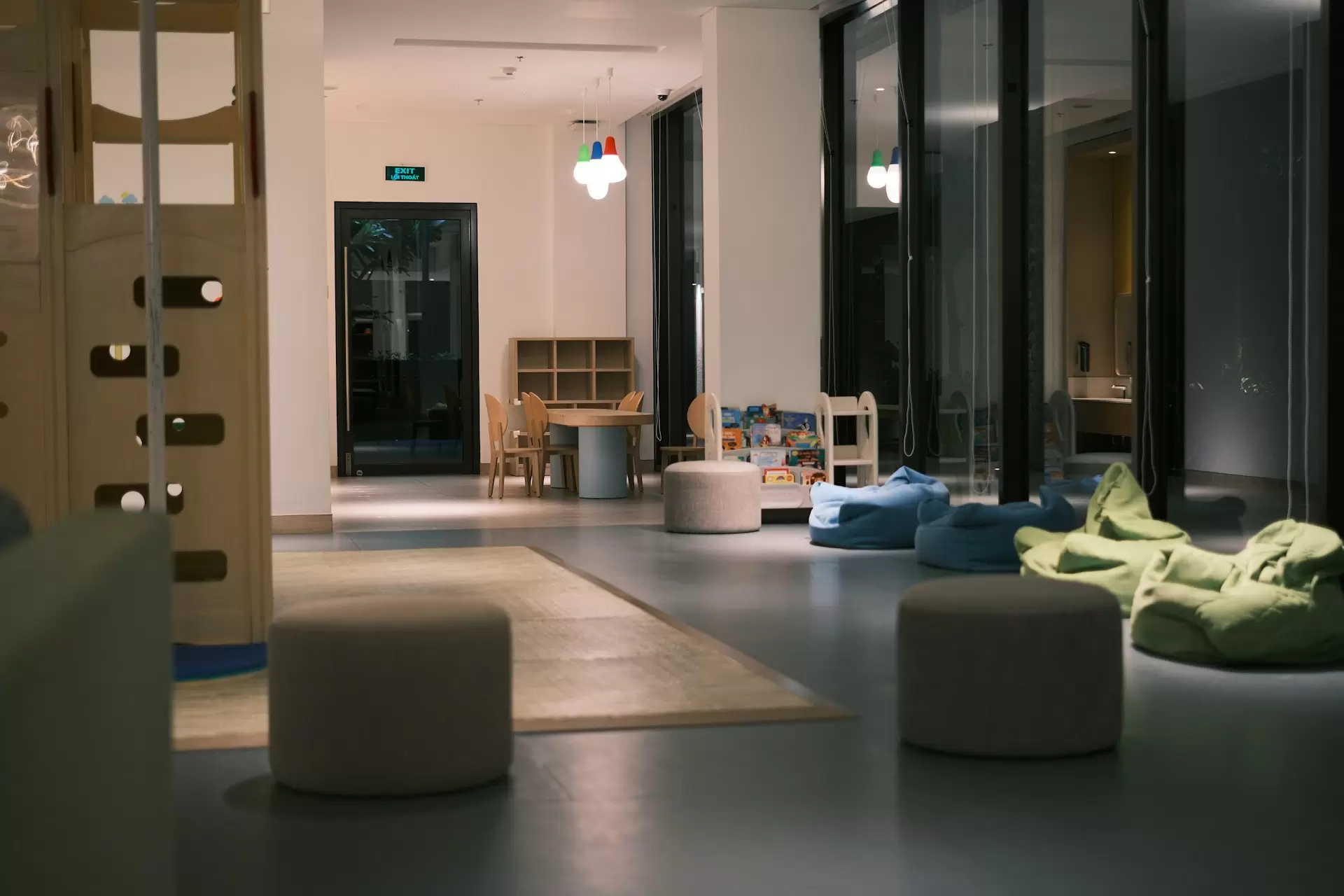
Buying a childcare centre requires a different approach to finance than most property purchases.
Most lenders treat childcare centres as commercial property acquisitions combined with business purchases, which means the loan structure needs to account for both the real estate and the operating business. The loan amount typically covers the property, fit-out, goodwill, and working capital needed to operate during the transition period. How lenders assess your application depends heavily on the centre's current occupancy, your management experience, and whether you're buying the property or just the business.
Secured vs Unsecured Finance for Childcare Acquisitions
A secured Business Loan uses the childcare property itself as collateral, which typically delivers lower interest rates and higher loan amounts. If you're purchasing both the property and business, lenders will register a mortgage over the real estate and potentially take a fixed and floating charge over business assets including fixtures, equipment, and in some cases, the business income itself.
Unsecured business finance exists but rarely covers the full purchase price of a childcare centre. You might use unsecured funding for a portion of working capital or to cover unexpected expenses during the first few months of operation, but the core acquisition finance will almost always require security. Lenders view childcare centres as capital-intensive businesses with regulatory obligations, so they want tangible assets backing the loan.
How Lenders Assess Childcare Centre Purchases
Lenders evaluate the business performance separately from your personal financial position, then combine both assessments. They'll review the centre's financial statements for at least the past two years, focusing on occupancy rates, fee income, wage costs, and net profit. A debt service coverage ratio of 1.25 or higher is typically required, meaning the business needs to generate enough cash flow to cover loan repayments with a buffer.
Consider a buyer looking at a centre with 60 approved places operating at 85% occupancy. The lender will examine whether that occupancy level is stable or declining, what the local competition looks like, and whether the buyer has relevant experience running early childhood education services. If you're new to the sector, some lenders require a larger deposit or want to see a detailed business plan showing how you'll maintain or improve current performance. Your business credit score also plays a role, particularly if you've operated other businesses previously.
Ready to get started?
Book a chat with a Finance & Mortgage Broker at Zaid Finance Co today.
Loan Structure and Repayment Terms
Most childcare centre loans combine a commercial property loan with business acquisition finance under one facility. The loan structure typically offers a term of 15 to 25 years for the property component, with principal and interest repayments calculated to match the business cash flow. Some lenders allow interest-only periods of up to two years while you settle into operations, though this depends on the strength of the business financials.
You'll choose between a variable interest rate and fixed interest rate, or split the loan across both. Variable rates give you access to redraw if you make extra repayments and offer flexible repayment options if your cash flow improves. Fixed rates lock in your repayment amount for a set period, which helps with cashflow forecasting but removes flexibility if you want to pay down the loan faster. Many buyers split the facility 50/50 to balance certainty with flexibility.
What Deposit and Working Capital You'll Need
Lenders typically require a deposit of 20% to 30% of the total purchase price, covering both property and business components. If the childcare centre is leasehold rather than freehold, the deposit requirement can increase because the lender has less security. Beyond the deposit, you need working capital to cover at least three months of operating expenses including wages, rent (if applicable), utilities, and supplies.
In a scenario where a buyer is acquiring a centre as a business only with a lease in place, the lender will want to see evidence of working capital separate from the acquisition cost. This might be structured as a business line of credit or business overdraft attached to the main loan, giving you access to funds without needing to reapply each time cash flow tightens. The amount depends on your weekly wage bill and whether families pay fees in advance or arrears.
Approval Timeframes and Documentation
Approval for childcare centre finance takes longer than a standard home loan because lenders need to assess the business viability in detail. Expect four to six weeks from application to formal approval, assuming you provide complete documentation upfront. You'll need business financial statements for the existing operation, a current lease or contract of sale for the property, a cashflow forecast for the first 12 months under your ownership, and your personal financial position including assets, liabilities, and income sources.
If you're structuring the purchase through a company or trust, lenders will also require company financial statements, director guarantees, and details of any other business interests you hold. Fast business loans with express approval exist for smaller working capital needs, but they don't typically apply to acquisitions of this size. Some lenders offer progressive drawdown if you're purchasing a centre that needs renovation or expansion, releasing funds in stages as work completes.
Choosing Between Banks and Specialist Lenders
Major banks offer commercial lending for childcare centres, but their appetite depends on your experience and the centre's location. Specialist commercial lenders often have more flexible loan terms and deeper understanding of the childcare sector, including how to assess government subsidy income and occupancy trends. You can access Business Loan options from banks and lenders across Australia through a broker who understands the sector, rather than approaching lenders individually and risking multiple credit enquiries affecting your business credit score.
Some lenders specialise in franchise financing if you're buying a centre that operates under a larger brand. Others focus on standalone centres or smaller operators. The interest rate difference between a major bank and a specialist lender might be 0.5% to 1.5%, but the specialist may approve a deal the bank wouldn't touch, particularly if your deposit is closer to 20% than 30% or if you're new to the sector but have strong business experience elsewhere.
If you're ready to explore your options or want to understand what structure suits your situation, call one of our team or book an appointment at a time that works for you.